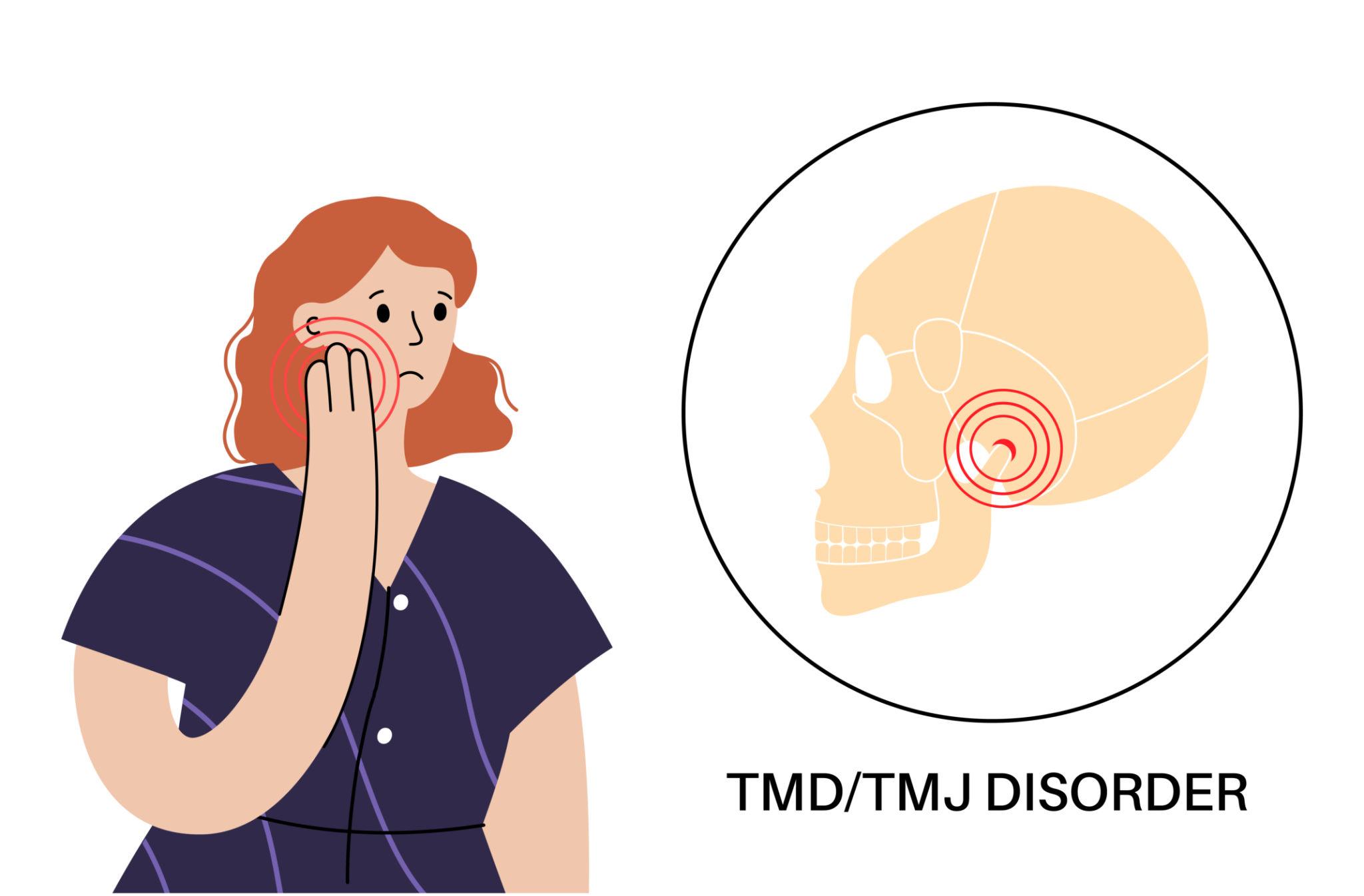
Jaw Pain
Persistent pain near the jaw joint may worsen during chewing, speaking, or jaw movement.
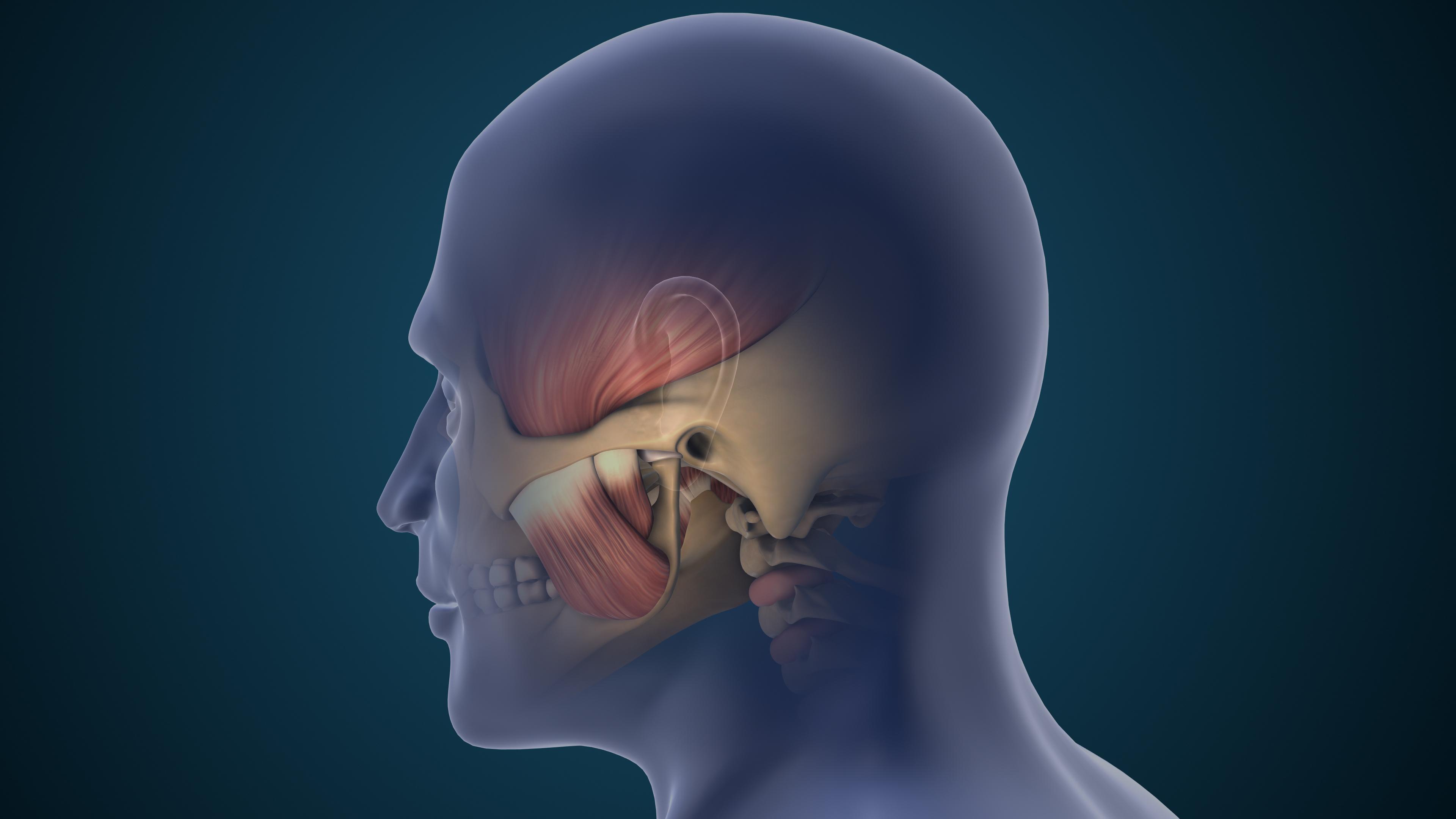
Temporomandibular joint (TMJ) disorders may affect the jaw joint, surrounding muscles, and upper cervical region.
Symptoms may include jaw pain, facial discomfort, headaches, neck pain, clicking or popping sounds, dizziness, and difficulty chewing.
Careful evaluation, imaging support, and patient-centered treatment planning may help improve comfort, jaw function, and overall quality of life.
TMJ dysfunction may contribute to jaw discomfort, facial pain, headaches, and upper quarter tension.
Persistent pain near the jaw joint may worsen during chewing, speaking, or jaw movement.
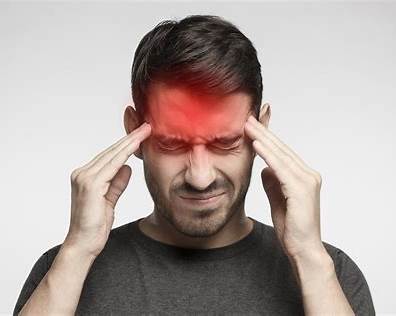
TMJ dysfunction may contribute to tension headaches, facial pressure, and cervical discomfort.
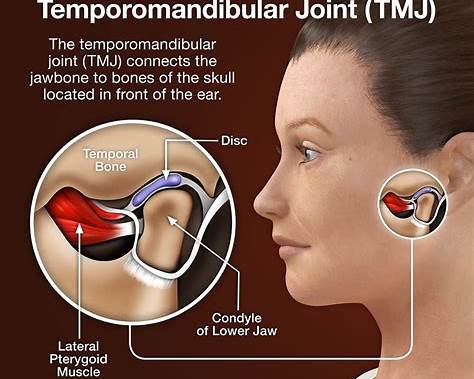
Clicking, popping, or grinding sensations may occur during jaw movement or chewing.
TMJ-related symptoms may involve the jaw, cervical spine, muscles, and upper quarter structures.
Clinical evaluation, patient history, imaging support, and movement assessment may help improve diagnostic precision and treatment planning.
Contact Davydov Pain Center to request an appointment for TMJ evaluation and upper quarter pain care.
Contact Us